FREE SHIPPING with Auto-Delivery & SAVINGS UP TO 20% with a Package Plan >>
FREE SHIPPING & SAVINGS UP TO 20% >>

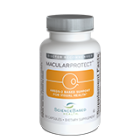
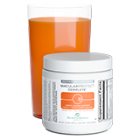




In the news: Turmeric-Based Supplements May Impact AMD
In the news: Turmeric-Based Supplements May Impact AMD; Role for the MIND diet in Cognitive Health?
Curcuma-based Supplements & AMD Risk
The results of a newly published retrospective cohort study from Baylor College of Medicine and Stanford University College of medicine suggest that the use of curcuma-based or turmeric supplements may reduce the likelihood of developing age-related macular degeneration (AMD) and lower the risk for progression to more severe stages of the disease.
The botanical turmeric (curcuma longa) contains natural anti-inflammatory and antioxidant constituents. To examine whether curcuma-based supplements might confer benefits against AMD, the researchers used data from the health records research network TirNetX.
Patients with and without AMD and those taking or not taking curcuma-based nutritional supplements (CBNS) were included.
The study encompassed data from 66,804 patients using CBNS and 1,809,940 patients who were not using the supplements.
Comparing patients 50 years or older with no history of AMD using CBNS to age matched patients not taking the supplements, revealed a significantly lower risk (relative risk or RR) of developing:
o Nonexudative or dry AMD (RR 0.23) o Advanced dry MD or geographic atrophy (GA) (RR 0.11) o Exudative or wet AMD (RR 0.28) o Blindness (RR 0.46) o The need for anti-VEGF therapy (RR 0.15) (p < 0.001 for all above comparisons).
Similar findings were seen among patients 60 and 70 years or older, respectively.
Results of a subgroup analysis suggests that CBNS use may lower the risk of disease progression. For patients with early dry AMD, subsequent use of CBNS (verified by prescription records) was linked to lower rates of developing dry AMD or GA versus matched patients with early dry AMD who were not prescribed CBNS. (RR 0.58; p < 0.001).
“Results of this cohort study suggest that a reduced risk of developing AMD or progression to later stages of AMD was associated with subsequent use of CNBS” according to the authors.
The study did not specify the dose of curcumin (a bioactive component of turmeric) though it did highlight the need for standardization of supplement dosing in further investigations to validate the impact, safety and potential mechanisms of CBNS in AMD.
MIND Diet May Slow Cognitive Decline
The Mediterranean-DASH Intervention for Neuro-degenerative Delay or MIND diet was specifically designed to help counter cognitive decline. It melds key elements of the traditional Mediterranean diet and the DASH diet which focuses on lowering blood pressure.
The Mind diet prioritizes whole grains, leafy green vegetables, berries, beans and nuts. It also encourages consuming other vegetables, seafood, poultry and olive oil, while limiting intake of red meat, fast and fried foods, and sweets.
A new study from University of Cincinnati researchers followed 14,000 participants of the NIH-supported REGARDS study – a study designed to assess why Black Americans and others have increased rates of stroke and related conditions that affect brain health. Participants were scored on how closely they adhered to the MIND diet and were followed for about 10 years.
Eating a diet more closely aligned with MIND was associated with moderately reduced risk of cognitive decline overall. This association was more pronounced among women and Black participants than in men and white participants.
- Alsoudi AF, et al. Curcuma-based nutritional supplements and risk of age-related macular degeneration. JAMA Ophthalmol. Published online October 24, 2024.
- Sawyer RP, et al. Association of adherence to a MIND-style diet with the risk of cognitive impairment and decline in the REGARDS cohort. Neurology. Published online Oct 22, 2024.